When customers cannot touch the product: lessons from L'Oréal’s 1 billion virtual try-ons
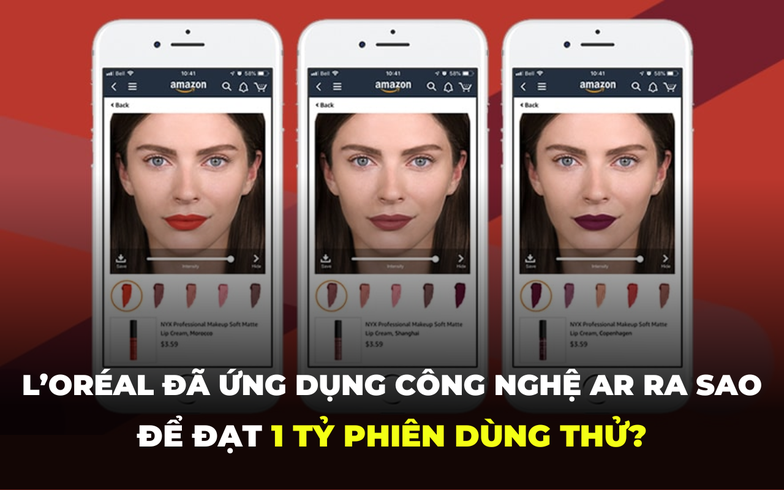
Beauty brands selling online share one hard problem: people hesitate to buy what they have never tried on their own skin or hair. L'Oréal’s virtual try-on program — past one billion uses — shows how technology can close that gap without a store.
The point is not the novelty of AR. It is reducing uncertainty in the decision. When customers can see themselves in the product, return rates fall and confidence rises.
Vietnamese brands can apply the same logic beyond beauty: configurators, samples, AI advisors, and better post-click experiences. If the product cannot be touched, the journey has to do more of the convincing.
Beauty brands selling online share one hard problem: people hesitate to buy what they have never tried on their own skin or hair. L'Oréal’s virtual try-on program — past one billion uses — shows how technology can close that gap without a store.
The point is not the novelty of AR. It is reducing uncertainty in the decision. When customers can see themselves in the product, return rates fall and confidence rises.
Vietnamese brands can apply the same logic beyond beauty: configurators, samples, AI advisors, and better post-click experiences. If the product cannot be touched, the journey has to do more of the convincing.